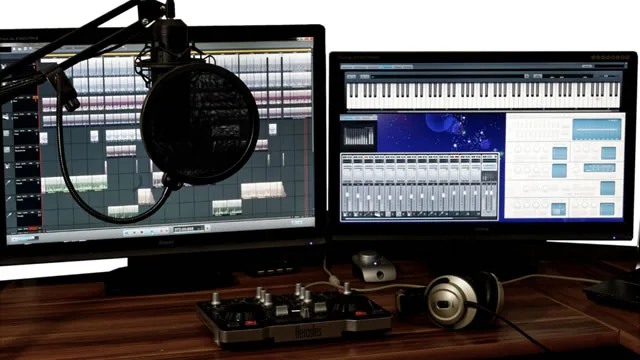
Becoming a Voiceover Actor: Navigating AI Challenges
Getting into voiceover is genuinely exciting, but it does take some work to get established. The industry has changed quite a bit with the rise of AI-generated voices, and that is something anyone starting out today needs to think about. The good news is that real character, personality and adaptability are still things AI cannot replicate particularly well.
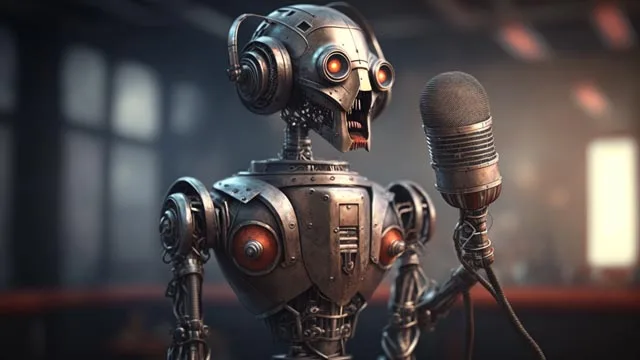
Tips For Becoming a Voiceover Actor:
Tips to consider
Develop your voice.
Work on your delivery, not just how your voice sounds. Practising reading scripts aloud, working with a voice coach, or even just recording yourself and listening back honestly will all help improve your diction, pacing and range. The goal is flexibility, being able to adapt your delivery to different briefs and styles.
Build your demo reel.
You will need examples of your work before anyone will book you. A good demo reel covers a range of styles, commercials, narration, character voices, whatever best represents what you can do. Keep it short, keep it varied, and lead with your strongest material.
Get in front of agencies.
Once you have a demo reel you are proud of, start approaching voiceover agencies. They will not take everyone, but having representation makes a real difference in terms of getting in front of the right clients. Take the feedback you get along the way, even a rejection with a reason is useful.
Put yourself forward for work.
Auditions, self-tape submissions, online casting platforms. The more you put yourself out there, the more you get a feel for what clients are looking for and the better your reads tend to get.
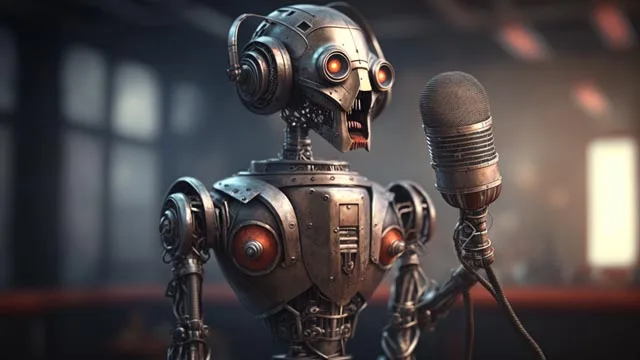
Keep up with where the industry is going.
AI voices are improving, and some clients are already using them for certain types of work. The way to stay relevant is to focus on what human voices bring to a project that AI genuinely cannot yet match, which is personality, instinct and the ability to respond to a director. Read our thoughts on Humans vs AI technology if you want to dig into that subject more.
Be patient with the process.
Voiceover is not an overnight career. It takes time to build a body of work, find your niche and get repeat clients. The people who keep going, keep improving and stay genuinely interested in the craft tend to be the ones who make it work long term.
Final thoughts
Getting established in voiceover takes time and a willingness to keep improving. AI is genuinely changing parts of the industry, but there is still a lot of work out there for voices with real personality and range. The artists who keep developing, stay curious and treat every job as a chance to do something good are the ones who tend to do well.Need a voice for something similar? Send me a quick message and I'll get back to you.